
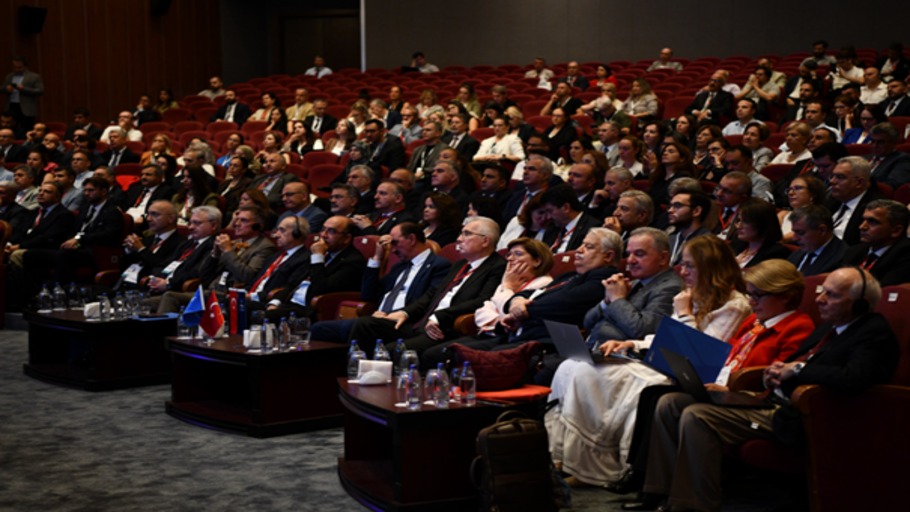
At the 2nd YÖKAK International Conference on Quality Assurance and Accreditation, organized by the Council of Higher Education Quality Board (YÖKAK) and hosted by Yıldız Technical University, one of the key areas of discussion was how quality assurance in higher education can be transformed in response to developments in digitalization and artificial intelligence.
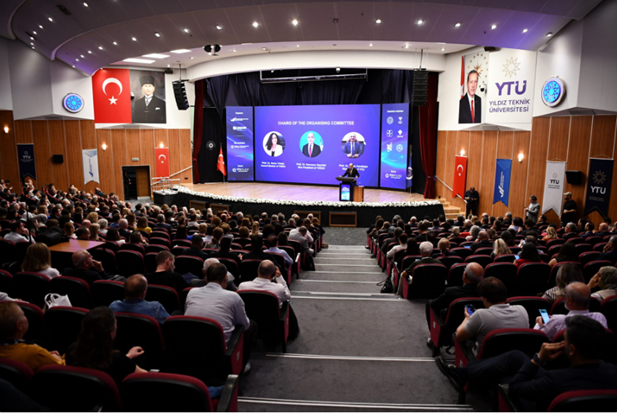
At the conference, quality assurance was addressed not merely as a mechanism for assessing whether institutions and academic programs comply with established standards, but as a comprehensive framework that supports institutional learning, continuous improvement, data-informed decision-making, and trust-based governance. In other words, quality assurance was considered within a broader framework that brings together institutional learning, continuous improvement, the effective use of data, and trust-based governance, rather than being limited to a process of monitoring compliance with predefined criteria. Within this framework, the integration of digital technologies into quality assurance processes emerged not simply as a technical innovation, but as part of a broader transformation that reshapes the decision-making, evaluation, and management processes of higher education institutions.
Another important perspective discussed at the conference was the shift away from debating whether the use of artificial intelligence in higher education is appropriate, toward focusing on how AI tools can be integrated into the educational, administrative, and quality assurance processes of universities, within which principles and standards such use should be governed, and how it should be monitored and evaluated.
At the same time, experiences shared by higher education institutions and stakeholders from different countries demonstrated that the agenda concerning the future of quality assurance is becoming increasingly diverse. The integration of micro-credentials into quality assurance systems, more active student participation in quality assurance processes, the future of quality assurance within the European Higher Education Area, the transformation of program accreditation, and internationalization in higher education were among the prominent topics addressed at the conference.In addition, various examples of practice were shared on strengthening the culture of quality at the institutional level through the enhancement of peer review processes, the use of learning analytics, data-informed decision-making, and AI-supported practices.
During the paper presentation sessions, the functions that artificial intelligence can serve in quality assurance and accreditation processes were examined in detail. In this context, applications such as AI-supported quality management, learning analytics, data-informed assessment, digital Plan-Do-Check-Act (PDCA) cycles, and the use of digital tools to support institutional accreditation processes were discussed.
Discussions on the use of artificial intelligence were not limited to efficiency and decision support; issues such as ethics, transparency, explainability, and data privacy were also addressed as integral components of quality assurance. A significant number of the studies presented emphasized that artificial intelligence should be regarded not as a mechanism that makes decisions independently, but rather as a tool that supports and enhances existing quality assurance processes.